
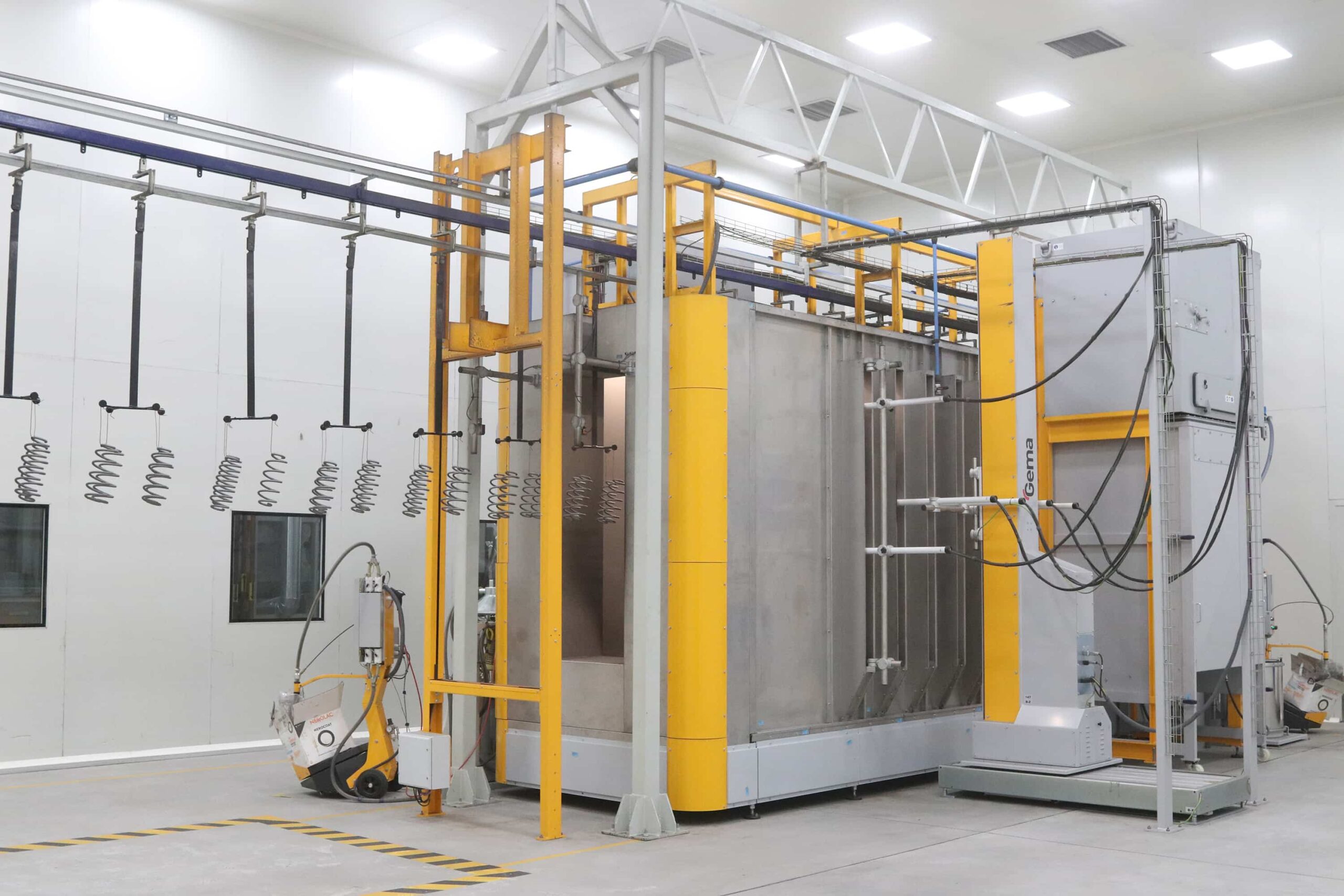

A well-run finishing line feels almost effortless—the parts move smoothly, coating coverage is consistent, and downtime is minimal. Yet, in many shops, the difference between “good” and “exceptional” production comes down to how the powder coating machine is set up. Small inefficiencies can snowball, while optimized systems often unlock capacities that surprise even seasoned operators.
Why Your Powder Coating Throughput Lags
Throughput suffers when equipment and workflow don’t match production needs. An outdated powder coating machine, for example, may have slower gun response times, inconsistent spray patterns, or inadequate curing capabilities. These factors force operators to slow their pace to maintain quality, which directly reduces output. Even new equipment can underperform if the spray booth layout, conveyor speed, or operator positioning aren’t designed to keep materials moving efficiently.
Bottlenecks also emerge from poor coordination between stages. If the pretreatment process outpaces the coating booth, parts pile up, creating stop-and-go inefficiency. Conversely, if the oven can’t keep up with the application line, finished pieces wait idle before curing. Identifying where the lag happens is the first step in reclaiming lost productivity and setting the foundation for a smoother, faster operation.
How a New Setup Can Transform Your Output
A modernized powder coating machine setup can create an immediate boost in throughput by aligning capacity with demand. This doesn’t always mean replacing every piece of equipment—sometimes it’s about reconfiguring the line to maximize each stage’s potential. Faster gun controls, better transfer efficiency, and precise booth airflow can all contribute to a more consistent coating in less time.
Integrating a high-capacity oven that matches the booth’s speed can eliminate curing delays entirely. When every stage runs in sync, operators maintain a steady rhythm without waiting on equipment. An efficient setup also reduces operator fatigue because repetitive adjustments are minimized, letting skilled workers focus on quality rather than fighting the process.
Signs Your Machine Setup Is Holding You Back
Slow changeovers between colors are one of the clearest indicators of inefficiency. If it takes 20 minutes or more to purge and switch, those minutes accumulate into hours of lost production each week. Another red flag is frequent rework—if parts need a second pass due to uneven coverage, the powder coating machine may not be operating at optimal settings or placement within the line.
Even subtle signs matter. If operators routinely step away from the booth while waiting for parts to arrive, or if the oven consistently runs below capacity, the setup is creating downtime. Over time, these delays erode potential output, making it impossible to hit higher throughput targets without major scheduling changes or overtime.
What an Efficient Powder Coating Line Looks Like
An efficient powder coating line runs with each stage feeding seamlessly into the next. Parts move at a steady pace, the booth is positioned for minimal handling, and the oven’s capacity matches the coating rate. The powder coating machine is tuned for maximum transfer efficiency, ensuring fewer material losses and less overspray cleanup.
Layout plays a big role. Clear paths between pretreatment, application, and curing mean less wasted movement. Operators can stay focused on their primary tasks, and workflow interruptions are rare. This kind of line doesn’t just improve output—it improves morale because the process feels smooth and predictable.
The Path to Doubling Your Production Speed
Doubling throughput starts with assessing the current system’s actual output versus its theoretical capacity. By identifying constraints—be it booth speed, oven load, or conveyor timing—it becomes possible to target upgrades that make the biggest impact. A powder coating machine with better electrostatic charging and faster triggering, for example, can cut coating times without sacrificing finish quality.
Streamlining auxiliary processes is equally important. Faster part loading, reduced color change time, and improved pretreatment flow can all contribute to higher line speed. The goal is to create a balanced system where each stage runs at optimal capacity, allowing production to scale without sacrificing consistency.
Calculating the Hidden Costs of Inefficiency
Lost throughput doesn’t just affect daily numbers—it carries hidden costs that impact profitability. Overtime to meet deadlines, increased wear on equipment due to stop-start operation, and higher powder usage from inefficient application all erode margins. Even wasted operator time waiting for equipment is a cost, though it often goes unnoticed.
When these inefficiencies compound, the actual cost of producing each part rises significantly. By quantifying downtime, scrap rates, and excess material usage, it’s easier to make a business case for investing in a more efficient powder coating machine setup. In many cases, the savings alone justify the upgrade within months.
Maximizing Return on Your Powder Coating Equipment
Getting the most from a powder coating machine means using its full capabilities every day. That requires regular maintenance, proper operator training, and keeping the entire finishing line in balance. Well-calibrated guns, clean booths, and consistent conveyor speeds protect both finish quality and production numbers.
Long-term return also depends on adaptability. A setup that can handle multiple part sizes, finish types, and quick changeovers allows a shop to pursue more work without major reconfiguration. By aligning equipment performance with production goals, the line remains productive, profitable, and ready to meet higher throughput demands.