
Porcelain flooring has a way of blending into daily life while doing some heavy lifting behind the scenes. It carries the sound of footsteps, the weight of furniture, and the rhythm of everyday routines without asking for much attention. Yet when chosen well, it can quietly shape how a space feels, how it functions, and how long it holds up over time.
This article takes a thoughtful look at porcelain flooring, not as a trend, but as a material that has earned its place through performance, design flexibility, and long-term value. Whether you are renovating, building from scratch, or simply curious about what makes porcelain such a popular choice, understanding the details helps turn a surface decision into a confident one.
What Sets Porcelain Flooring Apart
More Than Just a Type of Tile
Porcelain is often grouped with ceramic tile, but the two are not quite the same. Porcelain is made from more refined clay and fired at higher temperatures, resulting in a denser, less porous material. That density is what gives porcelain its reputation for strength and durability.
Because it absorbs very little moisture, porcelain performs well in spaces that see spills, humidity, or frequent cleaning. This makes it a practical option for kitchens, entryways, and other high-traffic areas where resilience matters.
A Material Built for Longevity
One of the reasons porcelain flooring continues to gain popularity is its ability to age gracefully. Unlike some surfaces that show wear quickly, porcelain resists scratches, stains, and fading. Colors and patterns are often baked through the tile, not just printed on the surface, which helps preserve its appearance over time.
For homeowners and designers alike, this long-term reliability often outweighs the initial investment.
A Brief Look at How Porcelain Is Made
The Role of Heat and Pressure
Porcelain tiles are created using finely ground materials that are pressed under high pressure and fired at extremely high temperatures. This process removes air pockets and creates a compact structure that is both strong and water-resistant.
The manufacturing process also allows for remarkable consistency, which is why porcelain tiles tend to have uniform sizing and thickness, an important detail during installation.
Innovation in Modern Production
Advances in manufacturing have expanded what porcelain can look like. Today’s porcelain flooring can convincingly replicate natural stone, wood grain, concrete, and even fabric textures. This level of realism gives designers and homeowners creative freedom without the maintenance concerns of more delicate materials.
Design Flexibility Without the Fragility
A Style for Nearly Every Space
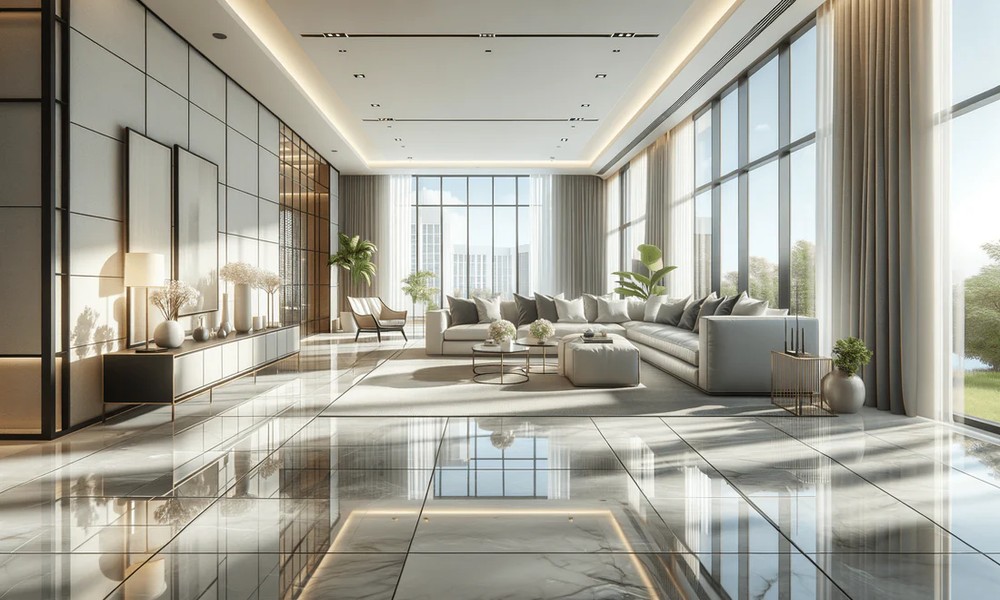
One of porcelain flooring’s biggest strengths is its versatility. It works just as comfortably in a minimalist interior as it does in a warm, traditional setting. Large-format tiles can create a seamless, modern look, while smaller tiles or patterned layouts add visual interest and personality.
Because porcelain can be finished in matte, polished, or textured surfaces, it adapts to different moods and functional needs.
Achieving a Natural Look
Many people are drawn to the look of wood or stone but hesitate because of upkeep concerns. Porcelain offers an alternative that captures the visual appeal of these materials while reducing maintenance.
Wood-look porcelain, for example, brings warmth and texture without worries about warping or water damage. Stone-look porcelain delivers elegance without the sealing and staining issues that natural stone can bring.
Performance in Everyday Life
Durability Under Daily Use
Porcelain flooring is designed to handle daily wear without complaint. It resists dents from dropped objects, scratches from foot traffic, and stains from common household spills.
This durability makes it especially appealing for households that value both aesthetics and practicality. Floors do not need to be treated delicately to maintain their appearance.
Easy Maintenance That Fits Real Life
Maintaining porcelain flooring is refreshingly simple. Regular sweeping or vacuuming removes grit, and occasional mopping with mild cleaner keeps the surface looking fresh.
Unlike some materials, porcelain does not require special treatments or sealing, which saves time and effort over the long term.
Comfort and Functionality Considerations
Temperature and Feel Underfoot
Porcelain tends to feel cool to the touch, which can be refreshing in warmer months. In cooler seasons, area rugs or underfloor heating systems can easily add warmth without compromising the flooring’s performance.
Its compatibility with radiant heating systems is another reason porcelain is often chosen for modern builds.
Slip Resistance and Safety
Porcelain tiles are available in finishes designed to improve traction. Textured or matte surfaces can reduce slipperiness in areas where moisture is present.
Understanding slip ratings helps ensure the flooring chosen is appropriate for the intended space, balancing safety with style.
Environmental and Health Factors
Longevity as a Sustainable Advantage
While porcelain requires energy to produce, its long lifespan contributes to sustainability. Floors that last decades without replacement reduce material waste and the environmental impact associated with frequent renovations.
Many manufacturers also focus on responsible sourcing and production practices, further improving porcelain’s environmental profile.
Indoor Air Quality Benefits
Porcelain flooring does not trap dust, pollen, or allergens the way some soft flooring materials can. Its hard, non-porous surface supports cleaner indoor air, an often overlooked benefit for those sensitive to allergens.
Installation and Planning Insights
The Importance of Proper Installation
Even the best porcelain tile depends on proper installation to perform well. A level subfloor, correct adhesives, and precise spacing all contribute to a finished floor that looks good and lasts.
Working with experienced installers helps avoid issues such as uneven tiles or cracked grout, which can detract from the overall result.
Planning for Layout and Scale
Tile size and layout play a significant role in how a space feels. Large tiles can make rooms appear more open, while smaller formats add detail and texture.
Considering grout color, tile orientation, and pattern ahead of time ensures the finished floor aligns with the overall design vision.
Choosing Quality in a Crowded Market
What to Look for in Porcelain Flooring
Quality porcelain flooring should meet established standards for strength, water absorption, and wear resistance. Consistency in sizing and finish also matters, especially for large installations.
Reputable manufacturers invest in testing and quality control, which translates into a more reliable product.
A Note on Premium Options
Some premium collections, such as Lioli porcelain flooring, focus on combining refined aesthetics with strong technical performance. These options often emphasize design detail, surface finish, and long-term durability, appealing to those who want a floor that balances beauty with substance.
Porcelain Flooring in Long-Term Perspective
A Floor That Adapts Over Time
As tastes change and furniture styles evolve, porcelain flooring tends to remain relevant. Its neutral foundation allows spaces to be refreshed with paint, textiles, and decor without requiring a new floor.
This adaptability makes porcelain a smart choice for those who value flexibility and longevity.
A Quiet Investment in Everyday Quality
Porcelain flooring does not demand attention, yet it supports daily life in countless small ways. It holds up to routines, enhances the look of a space, and simplifies maintenance, all while aging with quiet confidence.
For many, that combination is what turns porcelain from a practical option into a lasting favorite.
Final Thoughts on Porcelain Flooring
Choosing flooring is about more than surface appearance. It is about how a material performs, how it feels underfoot, and how it supports daily life over time. Porcelain flooring brings together durability, design freedom, and low maintenance in a way few materials can match.
When selected thoughtfully and installed well, porcelain becomes part of the background of a home or space, reliable, resilient, and quietly beautiful. That subtle strength is what continues to make porcelain flooring a trusted choice for those who value both form and function.