
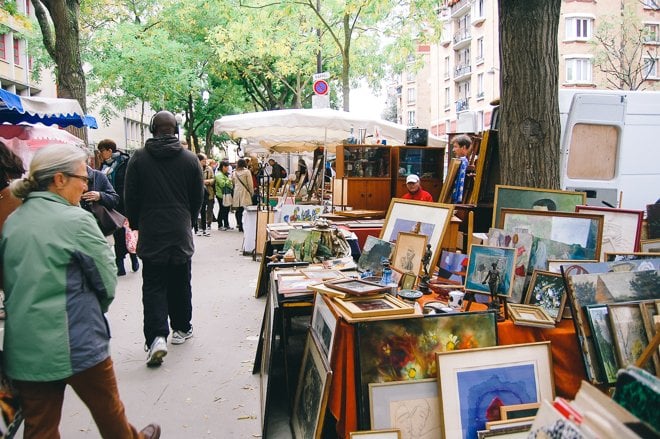

Shopping at a flea market has a charm that modern retail simply cannot replicate. It is an experience rooted in discovery, conversation, and the thrill of stumbling upon something unexpected. Whether someone is searching for antiques, handcrafted goods, vintage clothing, or practical household items, flea markets offer an environment where the past and present sit side by side. Visiting a flea market this weekend can feel like stepping into a living storybook, filled with characters, creativity, and endless opportunities to find that perfect item you did not even know you wanted.
Why Flea Markets Continue to Attract Shoppers
Flea markets remain popular because they offer variety and adventure. Instead of browsing neatly arranged aisles with identical products, shoppers wander through stalls bursting with personality. Every vendor has a story. Every item carries its own history. This sense of authenticity keeps people coming back.
Flea markets also appeal to shoppers who appreciate sustainability. Purchasing secondhand or upcycled goods reduces waste and gives items a second life. In a world where mass produced products are everywhere, the uniqueness of flea market finds is refreshing.
For many visitors, affordability is another key factor. A shopper can walk away with a piece of furniture, a vintage jacket, a stack of vinyl records, or a handcrafted bowl at a fraction of what it would cost in a boutique. Bargains are abundant, but so is value. Quality craftsmanship from decades past often surpasses what is available in big box stores today.
Preparing for a Successful Flea Market Visit
Although flea markets have a relaxed vibe, a little preparation makes the experience far more enjoyable. Someone planning to visit a flea market this weekend can benefit from thinking ahead about what they want to explore and what they should bring.
Bring cash
While more vendors are accepting digital payments today, cash is still the most efficient way to negotiate and finalize purchases. Carrying small bills makes transactions quicker and helps maintain flexibility when bargaining.
Wear comfortable clothing
Flea markets often involve hours of walking, bending, and browsing. Comfortable shoes and practical clothing make the experience easier and more enjoyable.
Arrive early or late
Early arrivals get the best selection. Late arrivals sometimes get the best prices. Vendors who prefer not to pack up unsold items may offer significant discounts during the final hour of the market.
Measure before you shop
If searching for furniture or decor, knowing the exact dimensions needed can prevent buying something that will not fit in a room or doorway. A small tape measure is a useful tool to carry.
Bring reusable bags or a small cart
Many finds are bulky or heavy. Bringing a cart or sturdy recycled bag makes transporting items much simpler.
What To Look For While Browsing
One of the joys of shopping at a flea market is that no two visits are the same. Still, experienced shoppers know there are certain categories worth keeping an eye on.
Vintage clothing
Flea markets offer clothing that tells a story. From retro denim jackets to timeless leather boots, buyers can find styles that are both fashionable and durable. Inspect stitching, zippers, and fabric quality before purchasing to ensure the item is in good condition.
Furniture with character
Many shoppers visit flea markets specifically for furniture. Solid wood chairs, mid century tables, and antique dressers appear frequently. Even furniture that needs a little restoration can become a standout piece in a home.
Collectibles and antiques
From porcelain figurines to rare books, flea markets are rich with collectibles. Shoppers should ask vendors about the origins of items and check for markings or labels that confirm authenticity.
Artwork and handmade goods
Local artists often sell unique creations ranging from pottery to paintings. Buying directly from an artist builds a personal connection and supports independent craftsmanship.
Tools and practical items
Not everything at a flea market is decorative or vintage. Many vendors sell high quality tools, kitchen supplies, and useful everyday items at affordable prices.
Negotiating With Confidence
Haggling is part of the flea market culture. Most vendors expect bargaining, and many enjoy the interaction. Successful negotiation relies on being polite, respectful, and informed.
A good strategy is to ask open ended questions, such as, “Is this your best price?” This invites the vendor to start the negotiation while giving the buyer room to respond. Offering cash can also strengthen a buyer’s position.
Shoppers should avoid making extremely low offers unless an item is damaged or unsellable. Fair negotiations often lead to fair deals, and building friendly rapport with a vendor can result in better prices in the future.
Evaluating Quality Before Buying
While flea market finds can be amazing, not every item is worth purchasing. Shoppers should take time to examine items closely.
Look for signs of wear
Small imperfections add charm to vintage pieces, but large cracks, stains, or structural issues might require costly repairs. Inspect items in natural light when possible.
Test functionality
For items like electronics, lamps, or tools, ask to test them. Most vendors are willing to demonstrate that an item works as promised.
Check for missing parts
If buying something mechanical or decorative with multiple components, ensure all pieces are included.
Trust your instincts
If an item feels overpriced or questionable in quality, it is better to walk away. Another hidden treasure may be waiting just a few stalls down.
Supporting Local Vendors and Small Business Owners
Flea markets are powered by independent sellers who rely on community support. Many vendors are artists, collectors, or small business owners who put significant time into curating their inventory.
Purchasing from them helps sustain a diverse marketplace where creativity and entrepreneurship thrive. Shoppers can also learn fascinating stories about how items were sourced or crafted. These personal connections are part of what makes flea markets special.
How Flea Market Shopping Encourages Sustainability
Sustainability is more than a trend. It is a lifestyle that focuses on making conscious choices. Purchasing secondhand or upcycled items helps reduce environmental impact by limiting waste, lowering demand for new manufacturing, and supporting circular commerce.
Furniture, clothing, and home decor purchased at flea markets often last longer than newer items that are mass produced using cheaper materials. This longevity contributes to a more sustainable household.
Building a Home With Flea Market Finds
Many people use flea market treasures to decorate their homes with personality. Mixing vintage pieces with contemporary styles creates interesting contrasts and adds character to any space.
For example, pairing a rustic farm table with modern metal chairs creates a unique dining room centerpiece. Displaying vintage mirrors or artwork can transform the atmosphere of a living room. Flea market finds help homeowners build spaces that feel curated rather than cookie cutter.
Shoppers who enjoy do it yourself projects often purchase items they can refurbish or personalize. A coat of paint, new upholstery, or minor repairs can breathe new life into an old item.
Making Flea Market Shopping a Habit
Once someone experiences the joy of discovering unexpected treasures, flea market shopping quickly becomes a hobby. Each visit feels like a small adventure. Some go for the thrill of bargaining. Others enjoy the social aspect and conversations with vendors. Many appreciate the ability to decorate and shop sustainably.
To make the most of each trip, shoppers can keep a list of items they may need in the future. This helps guide browsing while still leaving room for spontaneous finds.
Final Thoughts
Shopping at a flea market is more than an errand. It is an experience that blends discovery, nostalgia, sustainability, and personal connection. Every visit is filled with potential. Visitors might find a vintage jacket that becomes a wardrobe staple, a piece of furniture that transforms a living space, or artwork that inspires conversation for years.
Choosing to explore a flea market this weekend is a simple way to enjoy a slower, more thoughtful style of shopping. It gives shoppers the chance to appreciate craftsmanship, save money, support local vendors, and bring home something unique. In a retail world full of fast trends and disposable goods, flea markets remain a reminder that the best treasures are often found in unexpected places.