
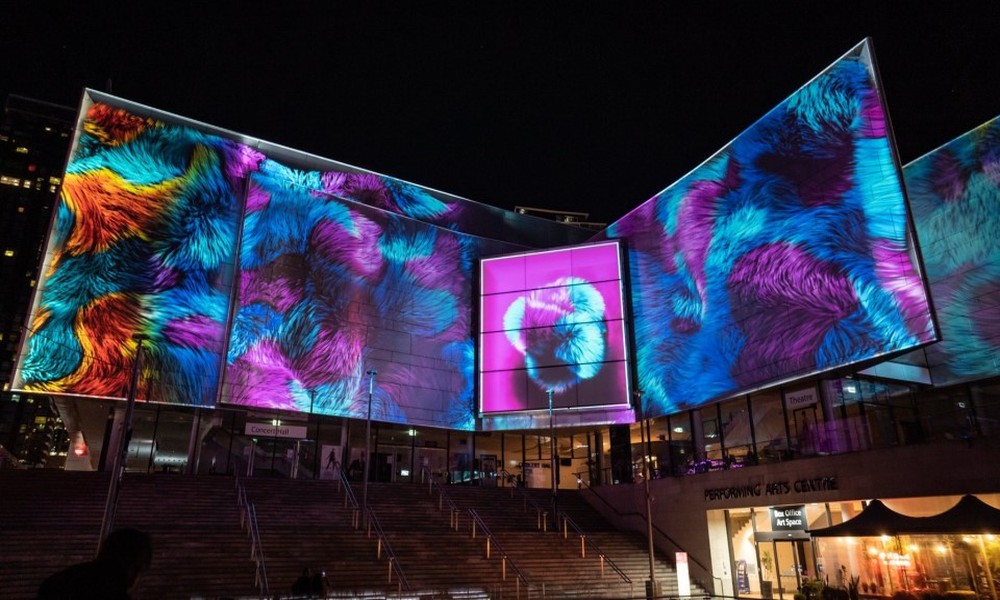
There is a moment at certain events when the room seems to change shape. Walls appear to move, ceilings ripple with light, and familiar structures suddenly tell a story. Guests look around, unsure where to focus, because everything feels active at once. This reaction is not accidental. It is the result of carefully planned event video mapping and projection mapping, a creative discipline that turns physical spaces into dynamic canvases.
What makes this form of visual storytelling so compelling is not just the technology behind it, but how seamlessly it blends into the human experience of an event. When done well, it does not feel like a screen or a presentation. It feels like the environment itself is speaking.
Understanding Event Video Mapping and Projection Mapping
At its core, this technique uses projected visuals that are precisely aligned to real world surfaces. Instead of projecting onto a flat screen, designers map content to walls, stages, buildings, products, or custom structures.
How It Differs From Traditional Projection
Traditional projection treats the surface as neutral. Video mapping treats the surface as part of the story. Corners, textures, depth, and architectural details all influence how the visuals are designed and displayed.
Why Events Are a Natural Fit
Live events thrive on shared moments and emotional impact. Projection mapping enhances both by creating visuals that surround audiences rather than sit in front of them. It encourages immersion rather than observation.
The Creative Power of Turning Space Into Story
Every successful event has a narrative, even if it is subtle. Projection mapping gives that narrative a physical form.
Storytelling Beyond Screens
Instead of asking guests to look toward a stage or screen, visuals can unfold across the entire venue. A product launch might begin with abstract motion across the walls, then gradually reveal the product shape itself. A brand story can move through chapters as guests move through the space.
Emotional Engagement Through Scale and Motion
Large scale visuals trigger emotional responses. Movement, light, and sound work together to create anticipation and surprise. When a space appears to transform, guests feel part of something rare and intentional.
The Technology Behind the Illusion
While the final result feels magical, the process behind it is highly technical.
Mapping and Measurement
Designers begin by measuring every surface that will be used. This includes angles, curves, depth, and distance from projectors. Even small inaccuracies can break the illusion.
Content Creation and Calibration
Visual content is custom built to match the mapped surfaces. This is not a generic video. Animations are designed to align perfectly with edges, seams, and features. Calibration ensures that colors, brightness, and alignment remain consistent throughout the event.
Hardware and Redundancy
High quality projectors, media servers, and backup systems are essential. Events allow little room for failure, so redundancy is built into most professional setups.
Where Video Mapping Fits Best in Events
This technique is flexible and can adapt to many event types.
Corporate Events and Brand Activations
Brands use mapping to communicate values, innovation, and vision. Product reveals become experiences rather than announcements. Internal events use it to energize teams and reinforce shared goals.
Concerts and Live Performances
Artists use mapped visuals to extend their creative expression beyond the stage. Visuals can react to music, rhythm, and movement, creating a dialogue between sound and space.
Galas, Ceremonies, and Cultural Events
Formal events benefit from subtle, elegant mapping that enhances atmosphere without overpowering it. Architectural projection on stages or walls can add depth and sophistication.
The Role of Collaboration in Successful Projects
Event video mapping is never a solo effort.
Designers, Technicians, and Event Planners
Creative teams must work closely with technical crews and planners. Decisions about staging, lighting, and audience flow all affect how visuals are experienced.
Aligning Vision With Practical Limits
Not every surface is suitable, and not every idea is feasible within time and budget. Strong collaboration ensures the final result serves the event rather than distracts from it.
Common Misconceptions About Projection Mapping
As the technique becomes more popular, misunderstandings are common.
It Is Not Just a Visual Add On
Mapping works best when integrated early in event planning. Treating it as a last minute enhancement often limits its impact.
Bigger Is Not Always Better
Immersion does not always require massive projections. Thoughtful use of smaller surfaces can be just as powerful when aligned with the event’s message.
Audience Experience and Memory
People remember how events made them feel, not just what they saw.
Creating Shared Moments
When visuals transform a space, guests often react together. Gasps, laughter, and silence become collective experiences that strengthen connection.
Lasting Impressions Beyond the Event
Photos and videos shared after the event extend its life. Mapped visuals photograph well because they interact with real space, making them feel more authentic than digital backdrops.
Planning for Success
Effective mapping begins long before the event day.
Site Visits and Testing
Early access to the venue allows teams to test projections, identify challenges, and adjust designs. This reduces risk and improves quality.
Budgeting and Prioritization
Mapping can scale to fit different budgets. Prioritizing key moments often delivers more value than attempting to cover every surface.
The Future of Event Projection
Real Time Interaction
Advances in sensors and software allow visuals to respond to movement, sound, or audience participation. This adds a layer of unpredictability and excitement.
Blending Physical and Digital Worlds
Projection mapping increasingly works alongside lighting, set design, and even augmented reality. The boundaries between physical and digital experiences continue to blur.
Why Event Video Mapping Continues to Grow
In a world filled with screens, people crave experiences that feel tangible and shared. Projection mapping answers that need by transforming real spaces rather than pulling attention away from them.
Used thoughtfully, video mapping becomes more than a visual effect. It becomes a storytelling tool that deepens engagement, reinforces meaning, and turns events into memories that last well beyond the final applause.