
The quote arrives by email a few days after the heat pump installer’s visit. The equipment price looks reasonable, the rebate estimate looks encouraging, and then, near the bottom, one line changes the mood entirely. Electrical service upgrade required. For owners of older homes around Greater Boston, that sentence can add thousands of dollars and weeks of scheduling to a project that seemed simple. Sometimes it’s absolutely right. Sometimes it’s a cautious guess written by someone who never opened the panel.
Settling that question takes an electrician rather than an HVAC salesperson. Homeowners in Winthrop, Chelsea and the surrounding towns often call M Jack Electric Inc for this kind of second look. Matt built the company on the belief that a contractor is only as good as the electricians it trains, and that thinking shows in how the team handles panel upgrades, service changes and whole-home rewiring. Its residential work leans on plain explanations of what is necessary and what is optional, which is exactly the distinction an electrification quote tends to blur.
Whether an old house can go electric on its current service depends on three things. The first is what the house was given to begin with. The second is what the new equipment will actually ask for. The third is the order in which the work gets done.
The Number Stamped on the Main Breaker
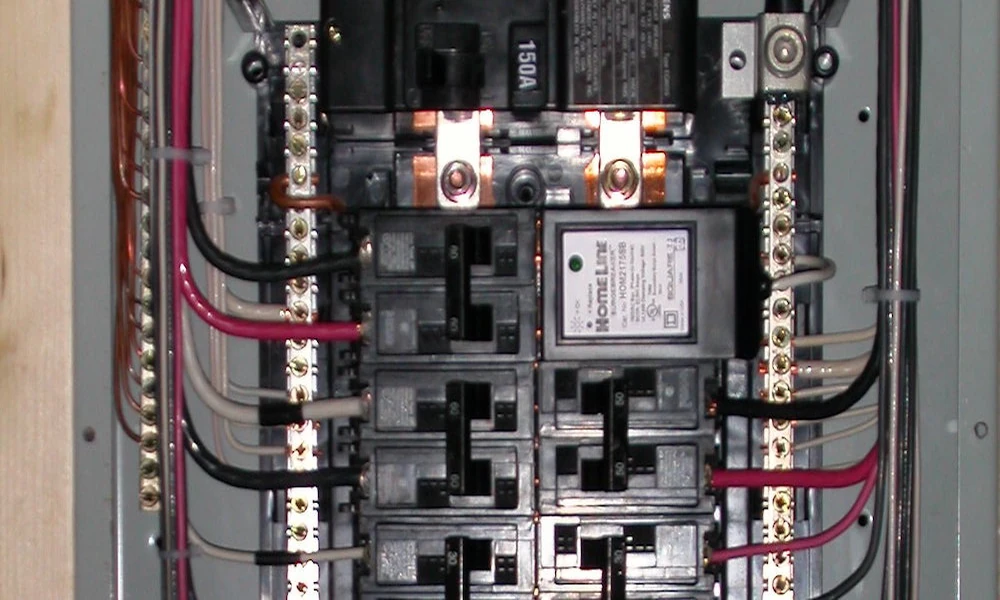
Every service has a ceiling, printed right on the main breaker or fuse block. In Boston-area housing that number usually follows the age of the house. Homes wired before the Second World War often started with fuses and knob-and-tube wiring on a 30 or 60 amp service. Postwar updates brought many of them up to 100 amps, and 200 amps became standard only much later. Triple-deckers complicate things because each apartment typically has its own meter and its own small panel. A building-wide heat pump project there really means solving three separate capacity puzzles, stacked one on top of another.
The rating tells only part of the story. A panel can have space on paper and still be a poor foundation for new loads. Scorched lugs, double-tapped breakers, aluminum branch wiring from the late sixties, cloth-insulated cable and ungrounded two-prong outlets all show up regularly in older homes nearby. An honest assessment deals with condition first, because adding a heat pump to a tired panel only adds stress to something already struggling.
Big Loads, Small Loads and the Hidden Ones
Homeowners often assume every electric appliance is a heavy draw. In practice the demands vary widely, and the real surprises usually come from equipment nobody mentioned in the quote.
- A cold climate heat pump uses an inverter compressor that ramps up gradually, so its circuit is often smaller than people expect.
- The electric resistance backup strips sometimes bundled with that heat pump can draw more than the heat pump itself on the coldest mornings.
- Heat pump water heaters come in 240 volt models needing their own circuit, and in 120 volt versions that plug into an ordinary outlet.
- An induction range usually calls for a 40 or 50 amp circuit, though it rarely runs every element at full power at once.
- A Level 2 EV charger often becomes the largest continuous load in the house, running for hours on the same winter nights the heating works hardest.
Seeing those profiles side by side explains why two houses with identical 100 amp panels can end up with completely different answers.
Drafts Cost Amps Too
Balloon-framed walls, open attics and old sash windows let heat escape quickly, and every bit of that loss pushes the heating load higher. A higher load means a larger heat pump, a larger circuit and a better chance that backup strips get specified. Air sealing and attic insulation completed before the HVAC design shrink each of those numbers at once. In many older homes, a weatherized house can run a smaller heat pump without resistance backup on the existing service, while the same house left drafty would genuinely need an upgrade. Insulation rarely shows up in an electrical conversation, but it may be the cheapest capacity a homeowner ever buys.
Getting the Sequence Right
Electrification usually happens gradually, often when an old boiler or water heater finally fails. That pace is fine, as long as each step fits into a larger plan rather than being decided in an emergency.
The plan should start with a real load calculation. The electrical code lets an electrician size an existing home either through a standard calculation or, in many cases, from a full year of actual peak demand data supplied by the utility. That second method often shows far more headroom than a rough estimate would suggest. Any condition problems found along the way get repaired next, before new circuits are added. Weatherization follows, so the heating equipment can be sized for the tighter house it will actually serve. The large heating loads come after that, and EV charging belongs at the end, once everyone knows exactly how much room is left. Working in that order means walls are opened once, permits are pulled once, and nobody pays to upsize a service that better planning would have made unnecessary.
Squeezing More From a Modest Service
When the math comes out close, there are good options short of a new service. Smart circuit splitters let two large appliances share a single circuit, pausing one while the other runs, so the car stops charging while the dryer is going. Many EV chargers can be set to a lower amperage, and some respond to whole-house demand in real time. Smart panels go further by monitoring individual circuits and shedding low-priority loads automatically when the total gets too high.
A subpanel is often misunderstood in these conversations. It adds breaker spaces, which helps when the main panel is physically full, but it adds no capacity at all. The U.S. Department of Energy’s home electrification and electric panel upgrade guide explains these alternatives clearly and is worth reading before any contractor visit.
When Bigger Genuinely Is Better
Sometimes the numbers simply don’t work. A large house going fully electric, a household with two electric cars, or plans for solar with battery storage can push past what 100 amps can safely carry. A panel in poor condition may need replacement regardless, and at that point moving up to 200 amps adds relatively little to the cost.
A service upgrade brings in the utility alongside the electrician. Around Boston that usually means coordinating with Eversource or National Grid on the service drop and meter, along with a local permit and inspection. With the circuits mapped and materials ready ahead of time, the actual changeover often finishes in a single day, so the household isn’t left without heat or power for long. Seen this way, that line at the bottom of the heat pump quote isn’t a verdict. It’s the start of a conversation, and the house usually has more say in the answer than the email suggests.