
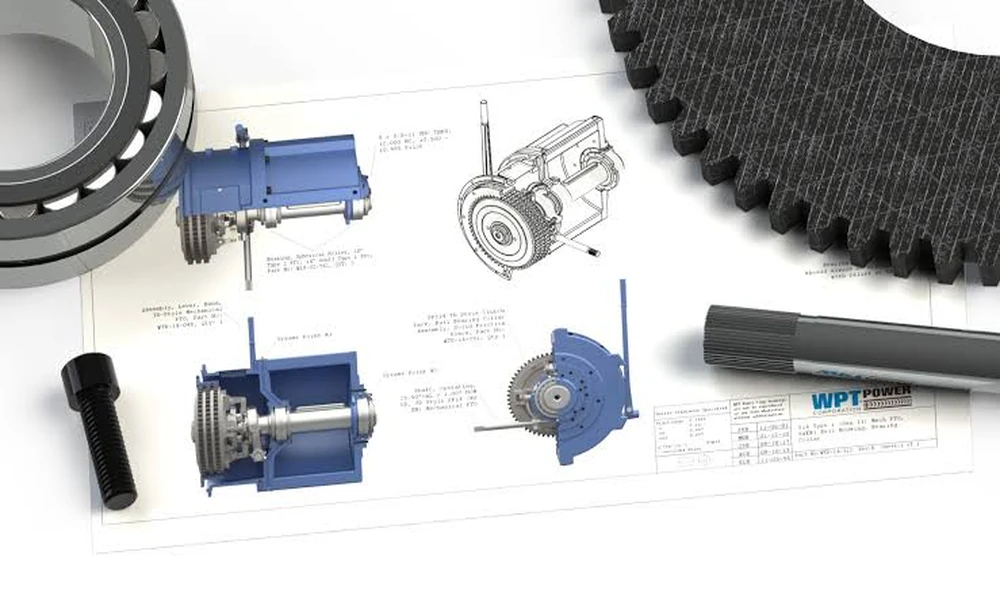

Key Takeaways
- Heavy-duty clutches are essential for industrial machinery because they provide durability, reliability, and consistent performance under demanding conditions.
- Choosing the right clutch can improve machine efficiency, reduce transmission wear, and minimize costly downtime.
- Different clutch types, including friction, lock-up, and electro-hydraulic clutches, are designed to meet specific industrial requirements.
- Industrial braking systems enhance workplace safety while improving productivity through better machine control and reduced equipment wear.
- Power transmission solutions such as PTO systems and advanced gear technologies help optimize operational efficiency and equipment performance.
- Upgrading outdated systems can lead to lower maintenance costs, improved energy efficiency, and increased productivity.
- Proper maintenance practices maximize equipment lifespan and ensure long-term operational reliability.
- productos de WPT Power Corp. help businesses achieve greater efficiency, improved performance, and reduced operational disruptions across a wide range of industries.
The Unmatched Benefits of Heavy-Duty Clutches
Why Choose a Heavy-Duty Clutch?
Heavy-duty clutches have become an essential component in industrial machinery because they are engineered to withstand harsh operating conditions. Built for durability and consistent performance, they help equipment operate safely and efficiently even under extreme workloads. Investing in high-quality productos de WPT Power Corp. can mean the difference between uninterrupted production and costly equipment failures.
A properly designed heavy-duty clutch provides smooth engagement and disengagement, reducing wear on transmission systems while extending equipment life. For industries where reliability is critical, choosing the right clutch delivers long-term value and dependable performance.
Types of Clutches and Their Impact on Performance
Different industrial applications require different clutch technologies, including:
- Friction clutches for high-torque applications.
- Lock-up clutches for quick and efficient engagement.
- Electro-hydraulic clutches for precise control and advanced performance.
Each clutch type offers unique advantages depending on operational requirements. Friction clutches excel in handling extreme loads, while electro-hydraulic models provide exceptional control and responsiveness. Selecting the right solution helps maximize equipment efficiency and productivity.
Real-World Success Stories
Many companies have experienced measurable improvements after upgrading their clutch systems. For example, a food processing facility reduced unplanned downtime by 30% after installing heavy-duty clutches. Mining, construction, and manufacturing companies have also reported increased productivity after integrating productos de WPT Power Corp. into their operations.
Industrial Brakes: Improving Safety and Efficiency
Types of Industrial Brakes and Their Applications
Industrial braking systems are available in several configurations to meet different operational needs:
- Disc brakes for high-load applications.
- Drum brakes for heavy industrial equipment.
- Electromagnetic brakes for high-speed operations requiring instant response.
Choosing the correct braking system enhances workplace safety while improving operational efficiency. Disc brakes, for example, are widely used where precision and reliable stopping power are essential.
How Proper Braking Systems Improve Productivity
Efficient braking systems minimize machine downtime while reducing wear on other mechanical components. As a result, businesses benefit from improved equipment availability, lower maintenance costs, and longer machinery lifespan.
“Quality braking systems are an investment that delivers greater productivity and improved workplace safety.”
Customer Success Stories
Companies across multiple industries continue to report positive results after upgrading their braking systems. Automotive manufacturers have increased production capacity, while logistics facilities have improved workflow efficiency thanks to more reliable braking performance.
Power Transmission Systems: Optimizing Performance Through Advanced Technology
How Power Take-Off Systems Improve Industrial Operations
Power Take-Off (PTO) systems allow a single power source to operate multiple pieces of equipment simultaneously, increasing efficiency while reducing energy waste. These systems are especially valuable in industries that require dependable and continuous power transmission.
Planetary vs. Helical Gear Systems
Selecting the right gear system depends on the specific application:
- Planetary gears provide high power density in compact spaces.
- Helical gears offer smoother and quieter power transmission.
- Planetary systems generally cost more initially but deliver excellent long-term performance.
Choosing the appropriate gear technology helps maximize operational efficiency while meeting the demands of each industrial environment.
The Benefits of Replacing Outdated Systems
Modernizing older transmission systems provides several important advantages:
- Improved energy efficiency.
- Reduced maintenance requirements.
- Higher overall productivity.
- Less equipment downtime.
Upgrading aging equipment helps companies remain competitive while lowering long-term operating costs.
Maximizing Industrial Efficiency with WPT Power Corp.
Maintenance Strategies for Long-Term Performance
Preventive maintenance is essential for maximizing the lifespan of industrial equipment. Best practices include:
- Performing routine inspections.
- Using manufacturer-approved lubricants and replacement parts.
- Training personnel to identify early signs of wear.
These proactive measures help prevent unexpected breakdowns while ensuring equipment continues operating at peak performance.
Recent Innovations in Industrial Power Transmission
Power transmission technology continues to evolve with innovations such as IoT-enabled monitoring, stronger lightweight materials, and predictive maintenance solutions. These advancements allow businesses to monitor equipment in real time, improve operational efficiency, and reduce maintenance costs.
Choosing the Right Products for Your Industry
Selecting the best industrial solution starts with understanding your operational requirements. Businesses should:
- Evaluate equipment needs carefully.
- Consult experienced industry professionals.
- Test products under real operating conditions.
Choosing the right productos de WPT Power Corp. helps improve reliability, increase productivity, and support long-term industrial success.
FAQ
Which industries benefit most from heavy-duty clutches?
Construction, mining, manufacturing, agriculture, and other heavy industrial sectors benefit greatly from heavy-duty clutches because they provide durability, reliability, and consistent performance under demanding conditions.
How are heavy-duty clutches different from standard clutches?
Heavy-duty clutches are specifically designed to withstand higher loads, harsher environments, and more frequent operation, resulting in longer service life and reduced maintenance.
What are the signs that a heavy-duty clutch needs replacement?
Common warning signs include slipping, unusual noises, engagement issues, overheating, and frequent equipment failures.
How often should heavy-duty clutches be inspected?
Most manufacturers recommend inspections every 1,000 to 1,500 operating hours, although maintenance schedules may vary depending on operating conditions.
How does modern technology improve clutch performance?
Technologies such as IoT monitoring and predictive maintenance help identify potential issues early, allowing businesses to improve equipment reliability and reduce downtime.
Can heavy-duty clutches be installed on older machinery?
Yes. Many older machines can be upgraded with modern heavy-duty clutch systems to improve performance, increase efficiency, and extend equipment life.
Are premium industrial components worth the investment?
Absolutely. While premium components typically have a higher upfront cost, they often reduce maintenance expenses, minimize downtime, and increase long-term productivity.
Why are industrial brakes important for workplace safety?
Industrial brakes provide accurate stopping power, better equipment control, and improved operational safety, helping reduce accidents while protecting both workers and machinery.