
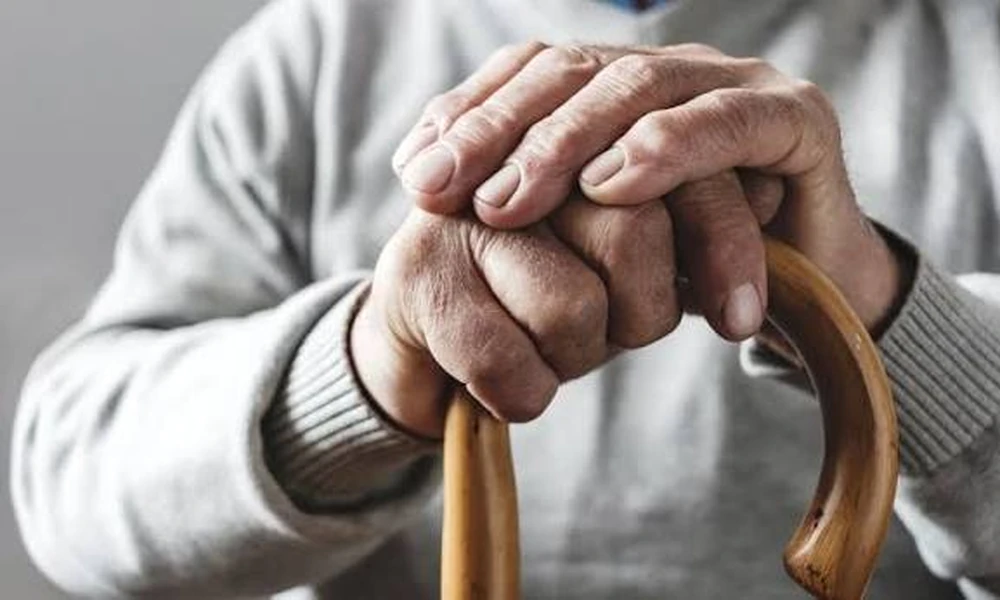

Falls are the most common form of injury in India among older people. A hip fracture or wrist break, even a significant bruise can result in weeks or months of limited mobility, and in the case of Indian families, an unplanned home care scenario with little prior guidance or preparation.
The First 48 Hours After a Fall
The immediate priority after a fall is medical evaluation. Even if the elderly person insists they are fine, internal fractures and head injuries can present delayed symptoms. An X-ray and basic neurological assessment should happen within 24 hours of the incident.
Once home or once discharged from the hospital the recovery environment needs immediate preparation. A ground-floor room with bathroom access, if possible, reduces daily strain. If stairs are unavoidable, a commode chair beside the bed becomes essential for safe bathroom use.
Understanding the Recovery Timeline
A hip fracture in a person over 65 typically requires 6-12 weeks of limited mobility. A wrist or shoulder fracture may restrict activity for 4-8 weeks. Even a severe sprain with bruising can keep an elderly parent largely immobile for 2-3 weeks. During this entire period, regular bathroom trips become difficult, painful, or genuinely risky especially at night.
Managing Hygiene During Restricted Mobility
Bathroom access is the most underprepared aspect of post-fall care. Families focus on medication, physiotherapy appointments, and diet but hygiene management during reduced mobility receives almost no discussion before the situation demands it.
Diapers for elderly people become a practical necessity during recovery. Even 2-3 weeks of restricted mobility makes bathroom trips risky, and the fear of a second fall while walking to the toilet is entirely legitimate.
Stocking up on reliable elderly diapers should happen within the first day of the recovery plan. Diapers for elderly people provide security overnight and during daytime rest periods when getting to the bathroom requires assistance that may not always be immediately available.
Skin care during this period is equally critical. Diapers for elderly people should be changed every 4-6 hours during the day. Barrier cream at every change prevents moisture-related skin breakdown. pH-balanced cleansing wipes replace full baths when bathing is restricted due to fracture immobilisation.
Physiotherapy and Mental Health
Physical recovery from a fall is only half the battle. The psychological impact fear of falling again is a documented condition called post-fall syndrome. It causes elderly patients to restrict their own movement excessively, which delays recovery and weakens muscles further.
Gentle physiotherapy, starting as early as the doctor permits, rebuilds both strength and confidence. A physiotherapist visiting the home 2-3 times per week during the first month significantly improves outcomes for older patients.
Building a Support System
Indian families tend to share care between siblings and extended family, but such care is often uncoordinated and irregular. Having a common schedule, even a WhatsApp group set on the time of medicines, diaper changes, physiotherapy sessions and visits to the doctor, keeps important tasks on track and won’t get skipped.
Diapers for elderly people, skin protection supplies, prescribed medications, and physiotherapy equipment form the essential recovery toolkit. Families who stock diapers for elderly people before the patient returns home eliminate last-minute scrambles and set the foundation for a smoother, safer recovery period.
ConclusionThe emotional reassurance that comes with having diapers for elderly people readily available extends beyond the patient. Family caregivers report significantly lower stress levels when they know hygiene is managed, allowing them to focus their energy on encouraging mobility, maintaining nutrition, and supporting the emotional recovery that a fall inevitably demands.