
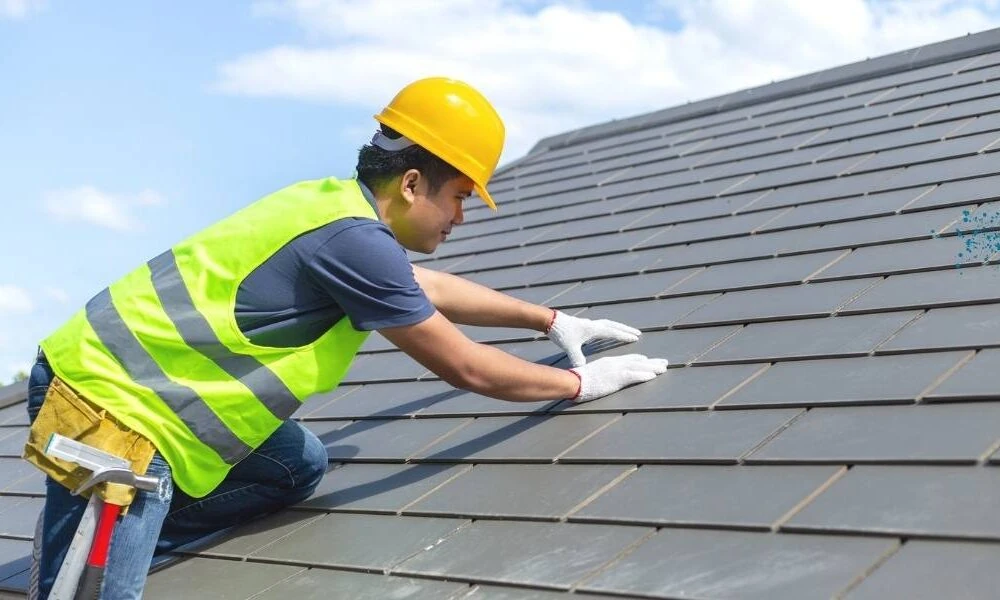

The first roof inspection I ever tagged along on ended with a five-gallon bucket of gravel. The building manager thought his roof was fine because it had never leaked. Then the contractor lifted a corner of the membrane and poured out what looked like a bag of playground sand. Water had been pooling under that surface for years, quietly cooking the insulation into mush. The leak everyone was waiting for would have been the least of his problems.
That afternoon taught me something most property owners learn the expensive way: in extreme climates, a commercial roof doesn’t fail all at once. It fails in order. Heat, hail, dust, and thermal swing each attack a different layer, and the layer that gives first tells you almost everything about what you should specify next. Below, you’ll get the same order of failure a good commercial roofing contractor in Mesa AZ or Phoenix would walk you through, plus a scheduling routine you can hand to a maintenance tech tomorrow.
Why Heat Is the Slowest Assassin
Every material on a roof expands when it’s hot and contracts when it cools. In the desert, that cycle happens twice a day, every day, for decades. The daily range in a place like Phoenix regularly swings more than 30 degrees between afternoon and dawn, and over a year it can span well past 100 degrees. The National Oceanic and Atmospheric Administration tracks those swings, and they matter more to your roof than any single hot afternoon.
So what actually gives out? On a low-slope roof, the seams go first. On a shingle roof, it’s the adhesive strips that hold the tabs down. Neither failure is dramatic. You’ll see a ripple, then a soft spot, then a fastener backing out, and by the time you notice a stain on the ceiling tile, the damage has been traveling sideways for months.
Here’s my honest take: if you own a building with a low-slope roof and no inspection log, you’re gambling. I’d rather pay for two inspections a year than one emergency repair in August, when every crew in the valley is booked solid and prices reflect it.
What Hail and Wind Reveal That Rain Never Does
Water is the messenger, not the cause. Hail bruises a membrane and leaves a mark you can miss from the ground. Wind lifts an edge and breaks the seal you can’t see. Then the first real monsoon pushes water into a place it was never supposed to reach.
Walk your roof after any storm that drops pea-sized hail or bigger. Run your hand along the seams and around every penetration: vents, HVAC curbs, pipe boots, skylights. If a seam feels loose or you can slide a putty knife under an edge, you’ve found your weak point before the water did.
Document everything with photos and a date. Insurance adjusters respond to a pattern of maintenance, not a single panicked call. Buildings that get claims approved quickly are usually the ones that kept records long before the storm arrived.
Materials, Ranked by How They Handle Abuse
There’s no universal winner here, and anyone who tells you otherwise is selling something. The right choice depends on your roof’s slope, your building’s use, and how much weight your structure can carry.
| Material | Strength | Weakness | Best Fit |
|---|---|---|---|
| Modified bitumen | Tough against foot traffic | Seams need heat welding | Busy rooftops with HVAC units |
| TPO single-ply | Reflects heat, easy to patch | Can shrink in extreme sun | Large flat warehouses |
| Spray polyurethane foam | Seals and insulates in one layer | Needs recoating on schedule | Odd shapes and older decks |
| Standing seam metal | Long lifespan, sheds debris | Higher upfront cost | Sloped commercial buildings |
If you forced me to pick one for a desert warehouse, I’d lean toward foam with a strict recoat calendar. It handles the weird penetrations and it insulates, which cuts your cooling load. But I’d only recommend it to someone who will actually book the recoat. Skip that step and foam turns brittle faster than anything else on this list.
Two Things Most Roofing Crews Get Wrong
Drainage and fasteners. That’s it. Those two failures cause most of the headaches I’ve seen on commercial buildings, and both are cheap to fix when you catch them early.
Drainage: A roof that drains in five minutes after a storm is fine. One that holds water in low spots for two days is not. Ponding water adds weight, breeds algae, and shortens membrane life. Check your scuppers and drains before monsoon season, not during it.
Fasteners: Backed-out screws are a symptom, not a problem. They mean the deck is moving, the insulation is wet, or the original install skipped a step. Walking the roof with a screwdriver and a notepad once a quarter catches these before they turn into a tear-off.
And here’s the part that matters for anyone managing a crew on that roof: fall protection isn’t optional. The Occupational Safety and Health Administration treats low-slope commercial roofs as a leading source of serious injuries, which is why a real contractor shows up with anchor points and a written plan, not just a ladder and good balance.
A Maintenance Calendar You Can Actually Keep
Most roof programs fail because the plan is too ambitious. Here’s a lighter version that works.
- Monthly: Clear debris from drains and scuppers. Ten minutes with a leaf blower.
- Quarterly: Walk the perimeter and check for loose flashing, backed-out fasteners, and new ponding.
- Before monsoon season: Full inspection, photo log, and one round of seam repair on anything questionable.
- After any major storm: Document everything, then call your insurer if you find bruising or torn edges.
Keep a single folder, digital or paper, with every inspection date, photo, and repair receipt. When you eventually sell the building, that folder is worth real money to a buyer.
The Question Worth Asking Before You Sign Anything
Ask any roofer you interview to name the three most common failure points on your specific roof type, and then show you where those points are on your actual building. Anyone who can’t walk you to the answer is guessing.
A roof isn’t a one-time purchase you make and forget. It’s a system you tend, the same way you tend your HVAC or your parking lot. Get the order of failure right, keep your calendar honest, and you’ll get a decade or more out of a surface that should have given up years ago. So go check your drains this week. Tonight, if the weather holds. Your future self will thank you for the ten minutes.