
Oil viscosity varies considerably across cannabinoid formulations, and not every device is built to handle that range with equal reliability. THC vape devices differ in how their internal components manage oil density, and those differences determine whether a device performs consistently across multiple product types or only within a narrow viscosity band.
Oil viscosity range
Oil viscosity range describes how thick or thin a cannabinoid oil is at operating temperature and how that property affects movement through the device during a draw. Thin distillates flow freely through most standard hardware, while dense extracts like THCA, live resin, or THCP formulations require components specifically matched to their consistency.
A device built for thin distillate uses wick and coil configurations that work with free-flowing oil. When a denser extract enters the same hardware, the wick cannot draw oil to the coil fast enough to keep pace with draw demand, producing dry hits, inconsistent vapour, and accelerated coil wear. Consumers who use multiple cannabinoid product types across the same device need hardware whose viscosity tolerance covers the full range of what they intend to use.
- Standard distillate carries a low viscosity that flows freely through narrow wick openings and standard coil configurations without requiring elevated operating temperature.
- Live resin extract sits at a mid-range viscosity that moves through wider wick openings reliably but requires a coil that reaches a slightly higher operating temperature than distillate hardware typically delivers.
- Full-spectrum THCA oil carries the highest viscosity in common hemp vape formulations, requiring wide feed channels, ceramic coil construction, and a battery capable of sustaining the heat needed for consistent conversion.
Coil compatibility
Coil compatibility determines whether the heating element inside a THC vape device can handle the oil being used without degrading performance across repeated sessions. Ceramic coils manage a wider viscosity range than standard metal alternatives because the material distributes heat more evenly and resists the residue buildup that dense oils accelerate.
Metal coils in contact with high-viscosity extract accumulate residue faster, narrowing the effective draw opening over time and altering the flavour profile of each session. Ceramic surfaces resist that accumulation more effectively, maintaining consistent draw quality across a broader range of oil types and across more sessions before cleaning becomes necessary.
Chamber construction
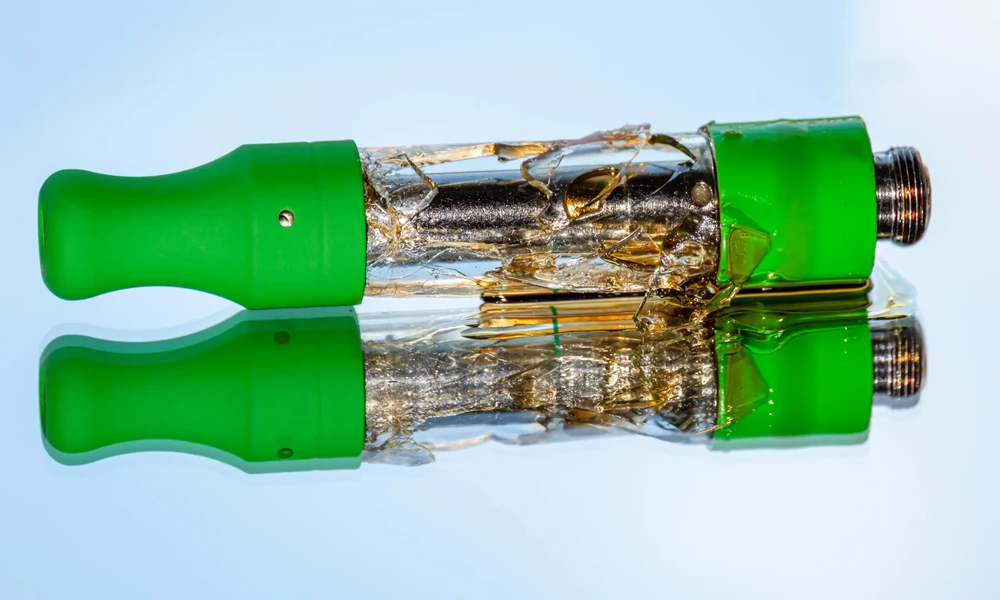
Chamber construction shapes how oil is stored, fed to the coil, and protected between sessions across different viscosity levels. A chamber designed for thin distillate uses narrower feed channels that work efficiently with free-flowing oil but create delivery problems when filled with something considerably denser.
- Wide feed channel openings allow dense THCA extract to reach the coil consistently without air pockets forming during the draw.
- Sealed chamber walls prevent oil separation and maintain extract consistency between sessions regardless of viscosity level.
- Leak-resistant base sealing stops thinner distillate oils from escaping through loose tolerances during carry or storage.
- Adjustable airflow positioned above the chamber allows consumers to modify draw resistance to match the vapour volume produced by different oil viscosities.
Not every THC vape device handles the full range of cannabinoid oil viscosities on the market. Consumers who use multiple formulation types benefit from selecting hardware where coil material, chamber design, and feed channel sizing are matched to the density of the oils they intend to use.