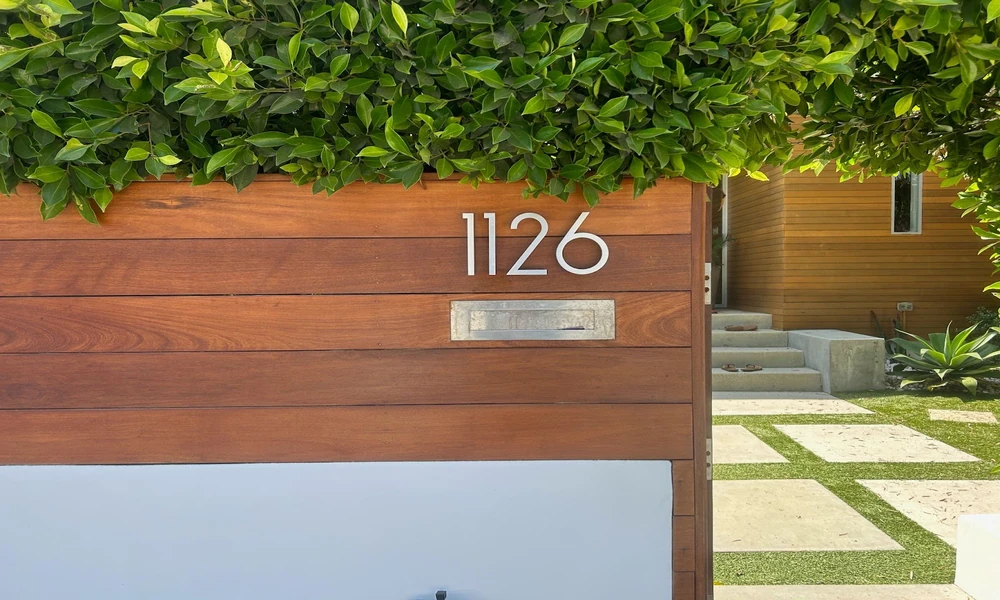

As visitors pull up to your curb, the first detail they search for is your house number. On most homes, this is just a utility, a few digits by the door. But when thoughtfully designed, a custom house number can be the signature that finishes your home’s exterior, blending function with unmistakable style.
The Evolution of House Numbers: From Function to Custom Design
House numbers began as practical markers, simply helping postal carriers and visitors find the right address. For decades, most numbers were standardized, with little variation in material or style.
Modern trends have shifted house numbers from mere necessity to a statement of personality. Homeowners are no longer satisfied with hardware store options. Instead, they’re turning to custom design, seeking pieces that reflect their architecture and taste.
Designers now approach house numbers as mini works of art. Whether it’s sleek modern metal or ornate script, the possibilities have expanded far beyond basic black digits.
Understanding the Importance of a Custom House Number
An eye-catching house number does more than just help guests find your door. It frames your entryway, boosting curb appeal and subtly elevating the value of your property. A design that harmonizes with your home’s architecture creates a sense of cohesion, making the entrance feel intentional and inviting.
But looks aren’t everything. Visibility is critical, especially for deliveries and emergencies. Choose finishes and sizes that are clear from the street, and sturdy enough to withstand your local weather. When style and practicality come together, the result is as useful as it is beautiful.
For many, a custom piece is a chance to showcase personality, perhaps a favorite font, a meaningful color, or a unique layout. When you invest in something made just for you, every glance at your front door feels a little more like home.
Materials Matter: Choosing the Right Base for Your Number
Material selection is about more than looks. Traditional metals like brass, bronze, and stainless steel offer longevity and timeless aesthetics. Brass brings warmth and character, stainless steel projects modern elegance, and bronze weathers beautifully over time.
Modern options, such as acrylic, vinyl, and painted aluminum, open up a world of colors and finishes. These materials often allow for bolder designs and can integrate seamlessly into contemporary facades. Painted aluminum, for example, comes in matte, semi-gloss, or glossy finishes, allowing you to match or contrast with existing trim.
Sustainability is gaining ground too. Some makers, like plaques d’adresse personnalisées Orthografica, focus on sourcing recycled metals and practicing eco-friendly production, making it possible to choose both style and conscience.
Fonts and Finishes: Crafting the Perfect Look
The right typeface can make or break your house number’s vibe. Serif fonts evoke tradition, while sans serif options feel crisp and modern. Script designs add elegance, especially for historic or classic homes. The boldness or delicacy of your chosen font should harmonize with your architecture, not fight against it.
Color is another subtle yet powerful choice. Matching the finish to your door hardware maintains a cohesive look, while a pop of color can draw attention without overwhelming the facade. Matte finishes lend understated sophistication, semi-gloss delivers a gentle sheen, and glossy finishes make colors punchy and bright.
For homeowners who crave a truly personal touch, some companies can even create numbers using your own handwriting or a custom-drawn font.
Size, Spacing, and Placement: Maximizing Visibility and Impact
Not all homes are created equal, nor are their ideal number sizes. A modern townhouse may only need modest digits, while a broad, setback estate calls for larger, bolder markings visible from the road.
Careful spacing between numbers ensures readability. Too tight, and the digits blur together; too wide, and they lose their visual connection.
Placement matters too. Numbers can go beside the door for a welcoming touch, above a garage for instant findability, or on a fence or gate for added visibility. Some creative homeowners even mount their numbers on trees at the edge of the driveway for a unique twist.
Design Formats and Styles: Exploring Creative Options
No longer limited to flat numerals, custom designs include numbers mounted on bars, inside frames, or even as part of engraved or cut-out plaques. Halo-lit designs, where LEDs softly illuminate the digits, are rising in popularity, marrying visibility with drama.
Mixing and matching formats can produce one-of-a-kind results. Imagine an aluminum bar bearing bold numbers, or a hand-engraved plate with delicate script. These pieces don’t just show an address, they become architectural accents in their own right.
The Custom Design Process: From Idea to Installation
Working with a specialist usually starts with a consultation, often including photos of your facade and notes on your preferences. Next comes a round of design proposals, fine-tuned with your feedback until the perfect look emerges.
Once finalized, production typically takes a few weeks. Quality assurance is key, especially for weather resistance and durability. Installation is straightforward, with templates and clear instructions provided. Some companies even offer professional mounting services for a flawless finish.
Caring for Your Custom House Number
Even durable materials need a little love. Wipe your house numbers periodically to prevent buildup from pollution and grime. Most reputable makers offer warranties against defect or failure, so you can feel secure in your investment. Be mindful of your local climate, salt air, heavy snow, or city pollution may call for a little extra care.
Looking Ahead: Innovations in Custom House Numbers
Cutting-edge options are emerging, including numbers with integrated smart lighting or sensors for added convenience and security. Interest in eco-friendly materials and sustainable manufacturing continues to grow, promising beautiful pieces with a lighter environmental footprint.
As personalization becomes the new normal, expect even more inventive materials, custom options, and technological integrations. The humble house number has come a long way, and for those willing to make the investment, it’s never been easier to make your mark.