

If you want length, volume, or dimension, hair extensions can give you those features without growing it out over several months. However, choosing extensions is not just about picking a color and length. There are many different ways to apply them and the results depend on how the hair is attached, the quality of the extensions, how frequently you need to have maintenance, and the health of your natural hair.
Know What You Want First
It helps to know what you want the extensions to do before you commit to the process. A person looking for a little bit more body along their sides might need something different than someone who wants a complete new look. Some people want to add density to sparse or fine areas, get a noticeable increase in length, cover up a choppy haircut, add color without using chemicals, add body for a special occasion, or make certain styles appear fuller. It’s helpful to have a few photos of desired styles and be ready to discuss them, but don’t get too set on what you want. Sometimes hair density, texture, scalp sensitivity, and other factors may make it impossible to get the desired results or determine the best way to apply the extensions.
Learn About the Different Ways Hair Extensions Are Attached
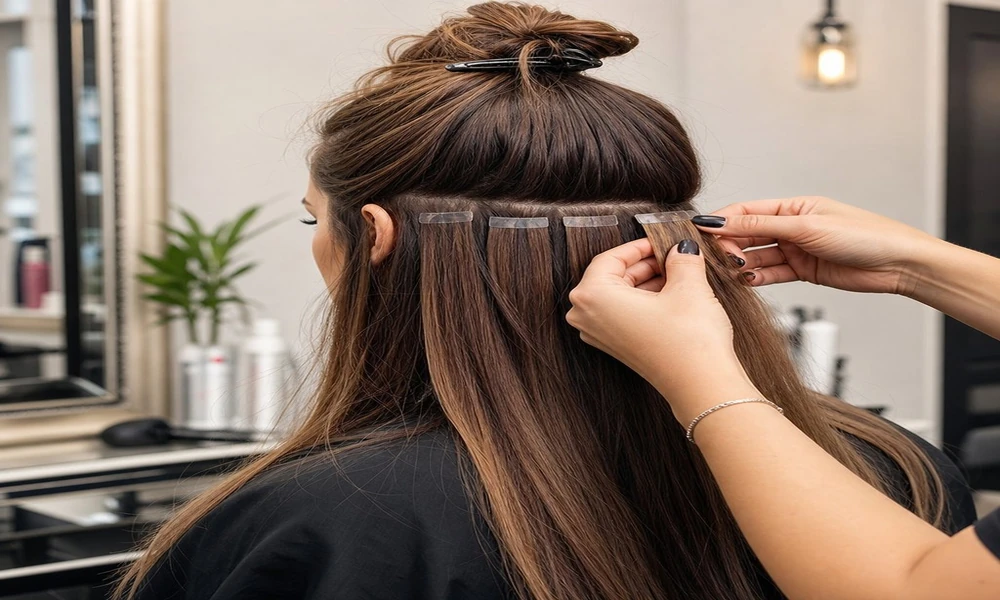
Tape-In Extensions – A strip of very thin adhesive attaches wefts of hair to small sections of your natural hair. Because the tape is thin and lies flat against the head, this method works well for those seeking length and volume without adding bulk. You will need to go back to the salon periodically for maintenance as your hair grows.
Tape-in hair extensions lying flat against natural hair
Sew-In Extensions – A series of wefts is sewn onto a base made of the client’s natural hair. These give plenty of body and may work best for thicker hair that can handle the extra weight. If they’re too tight, they can cause damage to your scalp, which you can explore on my response, and hairline.
Bonded or Beaded Extensions – These extensions use very small bonds or beads to attach individual strands of extensions. Because each strand is attached to only a small portion of the natural hair, this method can move better and the stylist can place the hair exactly where it is needed. It takes time to put these on and take them off, so it is especially important to have a professional do the job.
Temporary Extensions – Clip-in pieces and other forms of temporary extensions are great for occasional use. They are easy to put on and take off and don’t require a long-term commitment, though they should not be worn while sleeping.
Consider How the Extensions Will Work With Your Natural Hair
Finding the right color is important, but the extensions also need to match your natural hair in density, texture, strand thickness, and how it moves.
You may not be able to find a single hair color that matches perfectly. Often the best option is to mix two or more colors together. This is especially helpful if you have highlights, a multi-tonal look, or a variety of shades throughout your hair. You also need to think about how the hair will be placed to hide the separation between your natural ends and the extensions. You don’t want to see any gaps or chunks where your hair joins the extensions.
Your stylist should look at your hair and tell you if it is strong enough to hold the extensions you want. If your hair is weak, adding too much weight could cause it to become too stretched and break. In some cases, it’s better to add less hair and focus on volume instead of length.
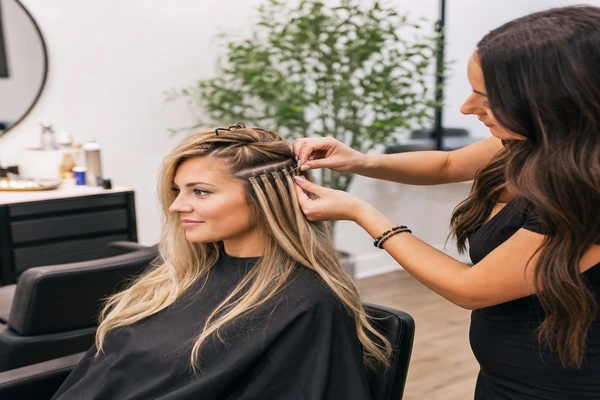
Hair extensions blended with natural hair color and texture
Prepare for Maintenance Before You Choose Extensions
Once the hair extensions cypress tx are installed, you need to maintain them at home as well as go back to your stylist regularly. You’ll need to follow the specific care instructions for your extensions, but here are some general tips. Use only products meant for both the extensions and the attachment sites. Gently detangle from the bottom up and hold the roots to avoid tugging on the hair. Never force tangles out or pull on your hair. Make sure the attachment areas are free of product buildup and never use anything heavy near them.
Questions to Ask Before You Have Extensions Installed
A good consultation will address all aspects of getting extensions, including how they are installed (there is a useful breakdown at www.nytimes.com/2011), how they need to be maintained, how they are removed, and how much they will cost. Find out how long the initial application takes, how often maintenance is needed, and whether the hair can be used again. You should also learn how the extensions will affect washing, exercising, swimming, and styling.
Pick the Right Extensions for Your Comfort
Choosing the right type of extensions takes a little effort, but once you find the best method for your hair and goals, you can enjoy a look that flatters your features, blends in naturally, and fits into your routine. Look at the pros and cons of each method, choose a placement that won’t harm your natural hair, and prepare to maintain your extensions.